Top-Rated Air Conditioning Services: Keep Comfortable With Expert Installation & Maintenance
During the hot summer months, maintaining a comfortable indoor environment becomes necessary. Top-rated air conditioning services offer expert installation and maintenance, adapted to individual needs. These technicians not only boost energy efficiency but also aid in preventing future breakdowns. Grasping the importance of professional services can significantly impact your overall comfort. What factors should one consider when identifying the right provider? Reviewing these aspects can facilitate more informed decisions.
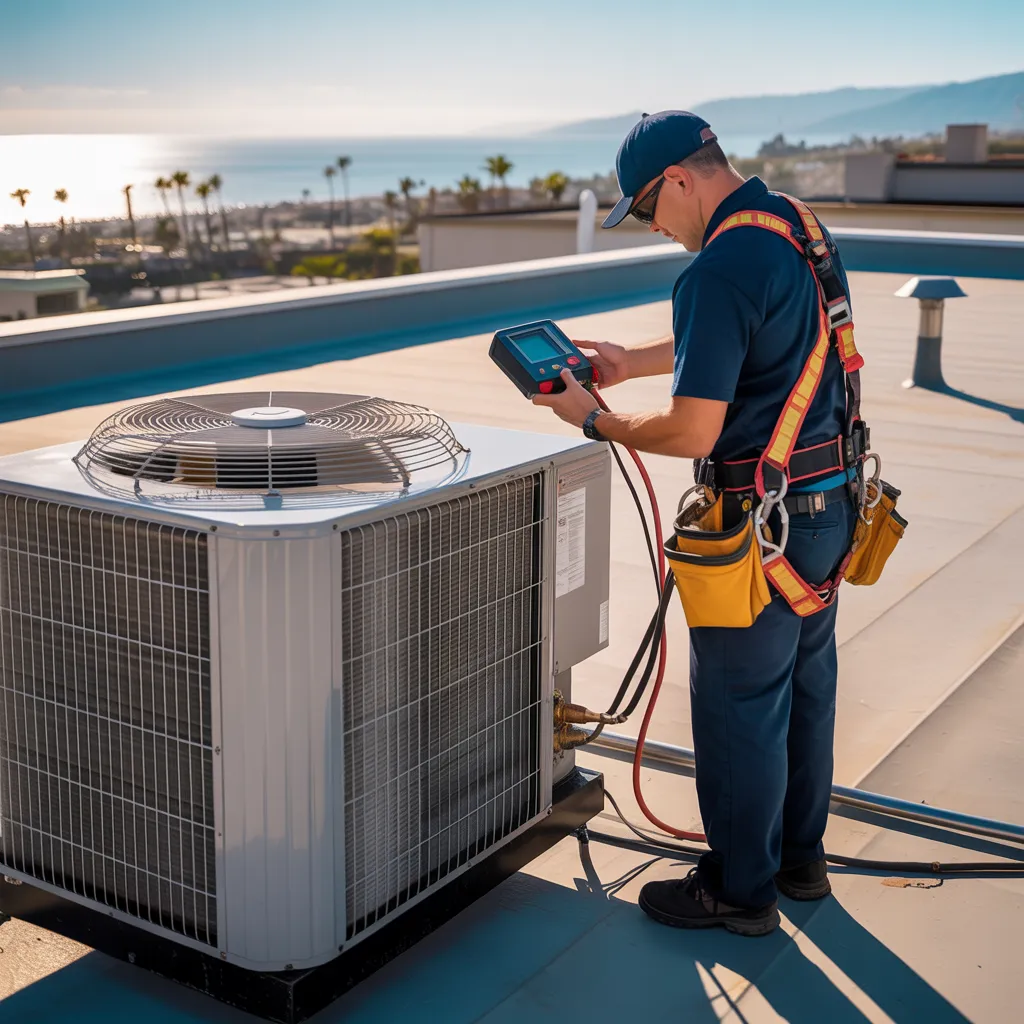
The Importance of Professional Air Conditioning Installation
A professional air conditioning installation can significantly influence a home's comfort and energy efficiency. When carried out by professionals, installation ensures that the system functions at its optimal capacity, reducing the likelihood of future breakdowns. Skilled technicians analyze the specific needs of the space, considering factors such as size, insulation, and local climate to recommend the most suitable unit. This tailored approach not only enhances air quality but also maximizes energy savings by ensuring the system runs efficiently.
In addition, professional installation reduces the risk of common issues, such as improper sizing or incorrect placement, which can bring about inconsistent cooling and higher utility bills. Additionally, experts are knowledgeable about local building codes and regulations, maintaining compliance and avoiding potential fines. Ultimately, a professional installation lays the groundwork for a reliable air conditioning system, promoting long-term satisfaction and comfort for homeowners. Utilizing professional services is critical for achieving the best results.
Primary Benefits of Regular AC Maintenance
Routine air conditioning maintenance plays a essential role in maintaining optimal performance and longevity of the system. Regular checks and servicing can boost efficiency, causing lower energy bills and a reduced carbon footprint. By keeping the system clean and finely tuned, ongoing maintenance stops the buildup of dust and debris, which can lead to read the full story malfunctions and reduce airflow.
Additionally, ongoing care can lengthen the service life of the AC system, pushing back the need for high-cost replacements. It also contributes to identifying emerging concerns early on, allowing for prompt interventions that can spare homeowners from unexpected breakdowns.
Additionally, a regularly serviced air conditioning system functions more quietly, leading to a more relaxing living environment. Ultimately, the benefits of regular AC maintenance extend beyond basic functionality, providing financial savings and enhanced indoor air quality, in the end boosting the overall comfort of any space.
How to Recognize When Your Air Conditioner Requires Repairs?
How do homeowners know when their air conditioning unit might require repairs? Several signs indicate potential issues that warrant attention. For example, if warm air comes out instead of the expected cool air, it could indicate a refrigerant leak or a malfunctioning compressor. Moreover, unusual noises such as grinding or squeaking can signal problems with internal mechanisms needing quick inspection.
Property owners ought to be conscious of unusual odors arising from the unit, which might suggest mold growth or burnt wiring. In addition, an unexpected rise in energy bills can indicate inefficiency, often caused by a failing system. Last but not least, if the unit frequently cycles on and off or fails to maintain a consistent temperature, it may be a sign of underlying issues. Identifying these symptoms early can help avert more severe problems and ensure the AC works efficiently.
Recommendations for Identifying the Top Air Conditioning Service Provider
Choosing the right air conditioning service provider can significantly affect the longevity and efficiency of a cooling system. To start, individuals should seek out recommendations from family, friends, or internet reviews to gauge the reputation of potential providers. It is essential to ensure that the service provider is licensed, insured, and experienced, guaranteeing compliance with local regulations and industry standards. Furthermore, obtaining multiple quotes can help clients evaluate pricing and services offered, while also exposing any hidden fees.
Additionally, evaluating the service provider's customer service can give valuable insights into their professionalism and reliability. A responsive provider that offers maintenance plans demonstrates devotion to customer satisfaction. Finally, consider the range of services available, including installation, repair, and routine maintenance, as a comprehensive service provider can handle various needs efficiently. By following these recommendations, property owners can select a reputable air conditioning service provider that satisfies their specific needs.
The Importance of Energy Efficiency in Your AC System
Air conditioning system energy efficiency serves a critical function in both homeowner cost reduction and environmental protection. Energy-efficient AC systems use less power, contributing to lower greenhouse gas output, which is crucial for combating climate change. This efficiency translates into substantial monetary advantages, as homeowners experience lower energy bills, especially during peak summer months when air conditioning use is at its highest.
In addition, energy-efficient units often are eligible for government tax credits and rebates, additionally enhancing their economic value. Picking an Energy Star-rated unit provides optimal performance and consistency, making it a smart investment. Furthermore, energy efficiency results in extended equipment longevity, decreasing maintenance and replacement expenditures over time. By focusing on energy-efficient air conditioning systems, homeowners not only benefit from a comfortable indoor atmosphere but also help build a sustainable future, underscoring the value of making educated selections when picking AC systems.
Key Year-Round Maintenance Advice for Your AC Unit
Even though many homeowners enjoy the comfort supplied by their air conditioning units, regular seasonal maintenance is essential to maintain optimal performance and longevity. One key task is to replace or clean the air filters every 1-3 months, as this improves airflow and indoor air quality. Furthermore, checking and cleaning the condenser and evaporator coils aids in maintaining efficiency and prevents overheating. Homeowners should also review the drainage system to clear any clogs, which can result in excess moisture and potential damage.
Additionally, ensuring that the thermostat is functioning correctly is crucial for preserving optimal temperatures. As a final point, scheduling a professional inspection at the start of each cooling season can pinpoint potential issues before they worsen. Applying these essential maintenance practices will assist in extend the lifespan of the AC unit and promote energy efficiency, eventually creating a more comfortable living environment.
Common Air Conditioning Troubles and Fixes
Consistent upkeep can greatly minimize the likelihood of common air conditioning problems, but issues can still arise even with proper care. One common problem is poor cooling, often caused by filthy air filters or refrigerant leaks. Regularly replacing filters and monitoring refrigerant levels can help mitigate this issue. Another typical concern is strange noises, which may indicate unstable components or failing parts; addressing these sounds promptly can prevent additional harm. Moreover, if the AC unit frequently cycles on and off, this may signal a thermostat malfunction or electrical issue, demanding professional evaluation. Last but not least, water leaks can occur from plugged condensate lines or damaged pans, potentially leading to water damage. Regular inspections and swift corrections are essential for maintaining optimal performance and longevity of air conditioning systems. By detecting these common problems and implementing prompt remedies, homeowners can ensure their AC units operate efficiently throughout the hot months.
What to Anticipate During Your AC Installation Procedure
Homeowners can typically expect a systematic approach during the air conditioning installation process, providing effectiveness and efficiency. Initially, a certified technician will complete a thorough assessment of the home, analyzing factors such as dimensions, insulation, and existing ductwork. This assessment helps identify the appropriate unit that satisfies the household's cooling specifications.
After the selection, the installation crew will prepare the site, which may include taking out an old unit and ensuring proper electrical and plumbing connections. Subsequently, they will fit the new air conditioning unit, conforming to manufacturer specifications and local building codes.
Following installation, the technicians will test the system to confirm proper functionality and efficiency. Homeowners can expect a walkthrough of the system's features, as well as maintenance tips to ensure optimal operation. Finally, any debris will be cleared, leaving the home clean and ready for immediate cooling comfort.
Common Questions
How Often Do I Need to Replace My Air Conditioning Filter?
AC filters should generally be replaced every 1-3 months, depending on usage and environmental circumstances. Regular checks can help sustain efficiency and air quality, providing optimal performance over the cooling season.
What AC Size Is Required for My Home?
To identify the right air conditioner size for a home, one should evaluate the square footage, insulation quality, ceiling height, and local climate. Typically, 20 BTUs per square foot is a common guideline for sizing.
Am I Able to Install an Air Conditioner by Myself?
Installing your own air conditioner can be done, but it demands technical knowledge and appropriate tools. Improper installation can result in inefficiency or damage, so many homeowners prefer hiring professionals for optimal performance and peace of mind.
What is the Typical Lifespan of an Air Conditioning Unit?
An AC unit usually lasts between 15 to 20 years, influenced by maintenance, usage, and environmental factors. Consistent servicing and quick repairs may extend its lifespan, ensuring optimal performance throughout its operational years.
What Are the Signs My Cooling System Is Energy Inefficient and Wasting Power?
Indicators of energy inefficiency in an AC system include abnormally high energy bills, inconsistent temperatures, frequent cycling on and off, excessive noise, and weak airflow. These indicators suggest the system may need maintenance or replacement.